
Care Coordination and Spiritual Support
for caregivers navigating a fragmented health care system,
with very little real help.
A place to manage care, while noticing the moments that grow you.
Care Coordination and Spiritual Support
for caregivers navigating a fragmented health care system,
with very little real help.
A place to manage care, while noticing the moments that grow you.
If you are coordinating care for someone you love, you already know what this is. The schedules, the medications, the documents, the follow-up calls, the things only you know and have nowhere to put.
What makes this so hard is not just the volume of it. It is that the care itself keeps changing, across different people, different settings, and different moments in time, while you are expected to hold it all together on your own.
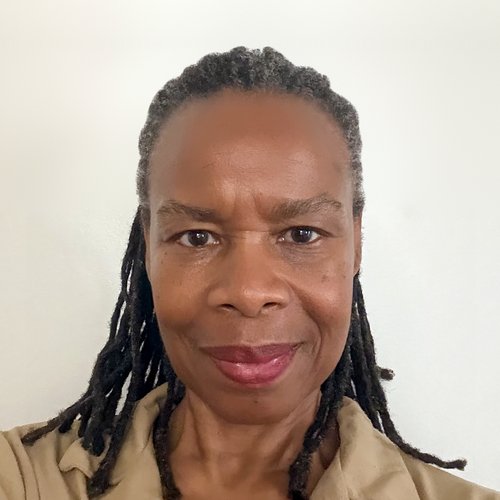
Why I Built ZolaKair
For over 20 years, I worked in corporate training and people development, helping people become the best of themselves.
Then a stroke left me disabled, and my mother became my caregiver.
Years later, our roles reversed. I became her caregiver, and found myself on the other side of a system that is fragmented, exhausting, and never built with the caregiver in mind.
That experience, and the stories of other caregivers, led me to build ZolaKair. It helps caregivers manage care, with emotional and spiritual support on the hard days and the good ones. And it is grounded in love as a real design principle, not a slogan.
This is why ZolaKair exists.
M. Dawn Armstrong, Founder
The Caregiving Continuity Framework
ZolaKair is built around one core idea: when any one of these breaks down, everything feels harder. ZolaKair is designed to keep all four in place.
ZolaKair was built by a caregiver, not observed from the outside. Every part of it was shaped by lived experience and co-designed with other caregivers who know exactly what is missing.
ZolaKair is built on an interfaith theology of love, the belief that everyone in a care relationship, patient, caregiver, and care team, is love itself. That is not just a value statement, it is the operating principle behind every feature.
ZolaKair was designed from the start with caregivers who are too often left out of how care technology gets built, racialized, neurodivergent, disabled, low-income, and aging caregivers.
The personal version of ZolaKair is already built and in daily use. Watch our short videos to learn more about how it can transform caregiving and caregivers.
Watch our videos